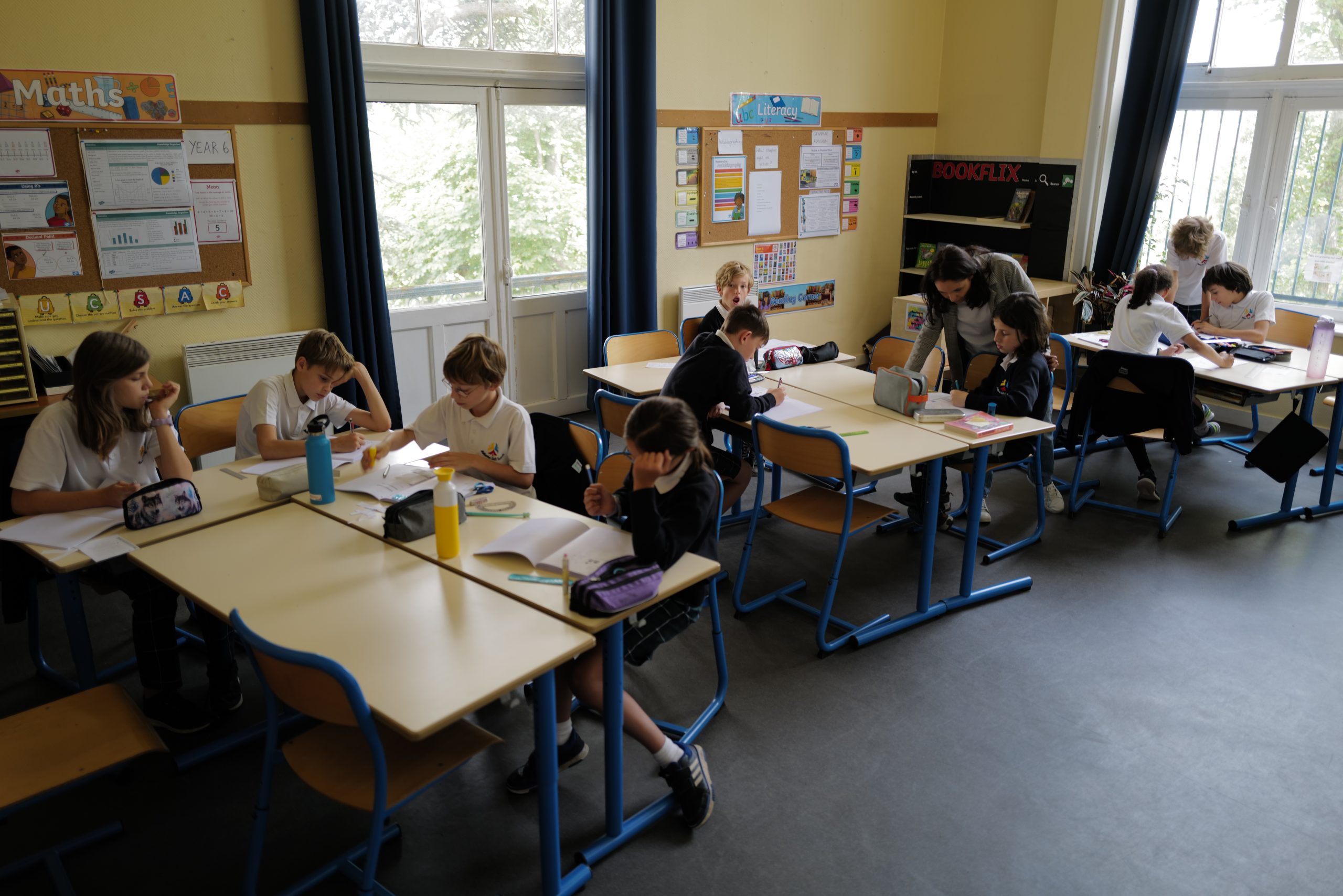
Malherbe International School’s curriculum for English and Mathematics is based on the English National Curriculum for Key Stages 1 & 2 with some variations in order to encompass the widely varying needs and experiences of the pupil population and the geographical location of the school within France. Malherbe International School’s bilingual curriculum includes 4 days per week of classes in English, or 3.5 days for our Year 6 pupils.
Academic subjects taught through English include: English (speaking, reading, and writing), Mathematics, Science, History, Geography, Art and Design, Computing and Physical Education.
Our teachers deliver a curriculum which offers an excellent level of academic achievement while continuing to foster a child’s creative, emotional and physical needs
Malherbe International School has an outstanding record of preparing children for transfer to other schools in their home environment or in the local area, whether bilingual, French or English-speaking schools.
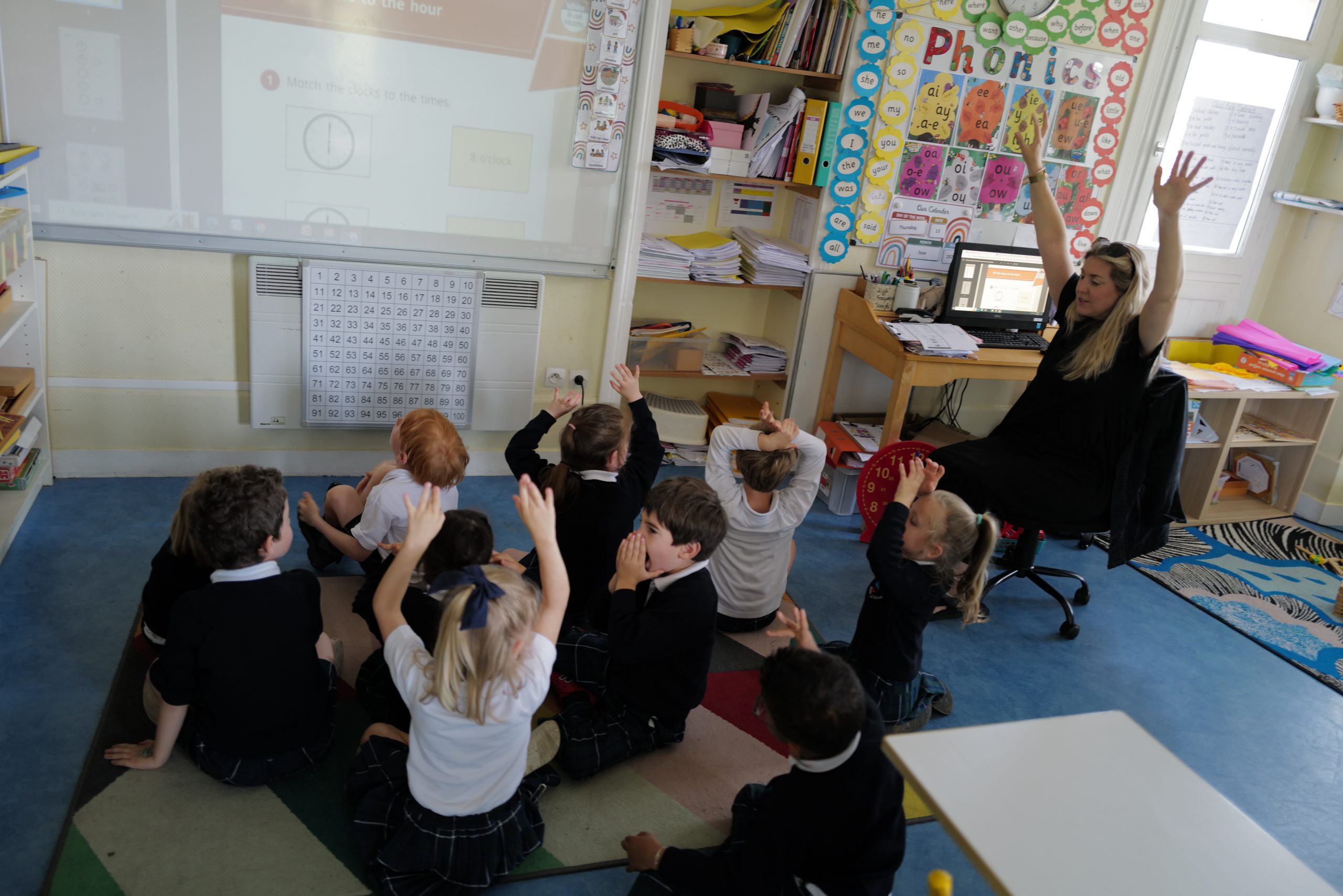
Reading in Key Stage 1 is taught through a phonetic approach, building on the students’ prior knowledge of sounds gained during the preprimary years with the Jolly Phonics method. Each child is regularly assessed and his/her reading level is defined following the Oxford Reading Tree scheme. Teachers read individually with each student on a regular basis, and help to develop comprehension skills through a variety of written and verbal activities.
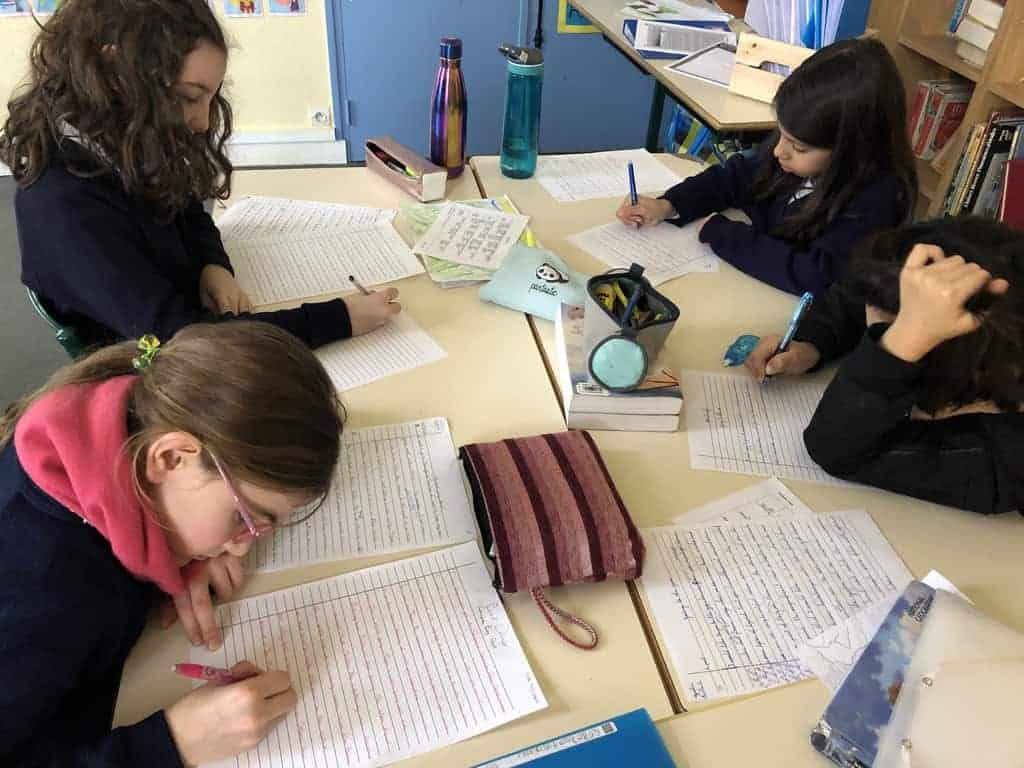
We believe that it is essential to continue developing the children’s love for reading at all ages. In addition to regularly borrowing books from our school library or studying novels as a class, we organize special events around books, such as our Young Authors’ competition or the MIS Book Day during which the students dress up as a book character and read to different year groups.
We use the White Rose English curriculum scheme for mathematics instruction throughout the Primary years. This approach relies heavily on use of concrete materials in the early stages of elementary school to ensure that students have a solid understanding of the underlying concepts before moving on to more abstract problems.
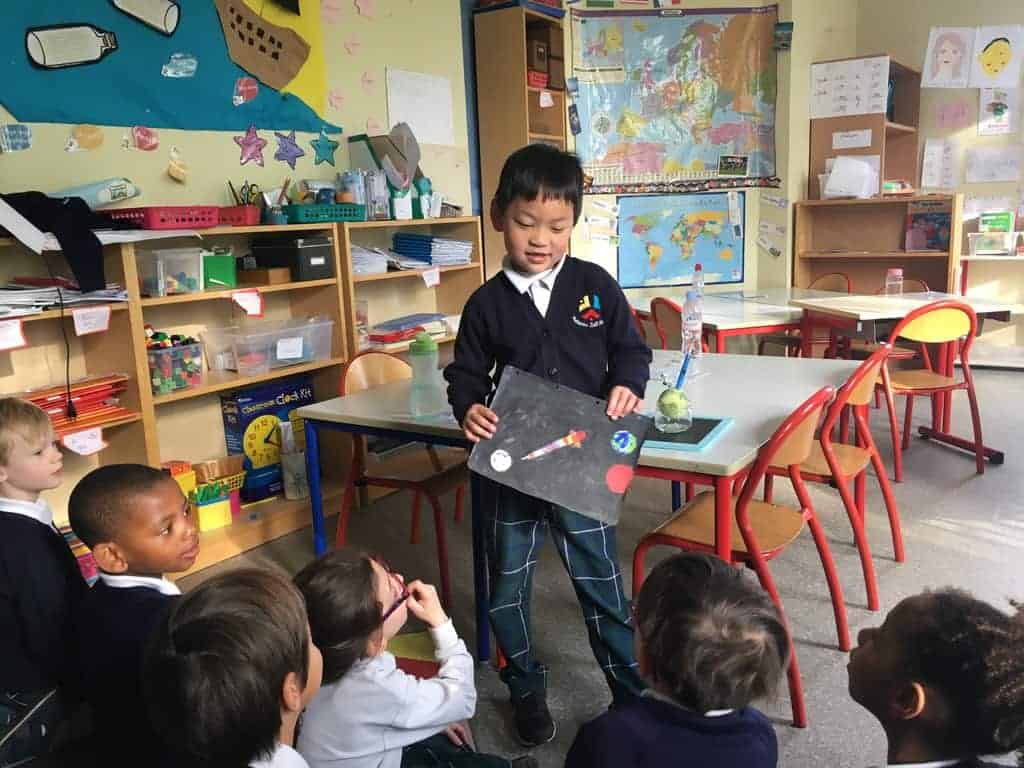
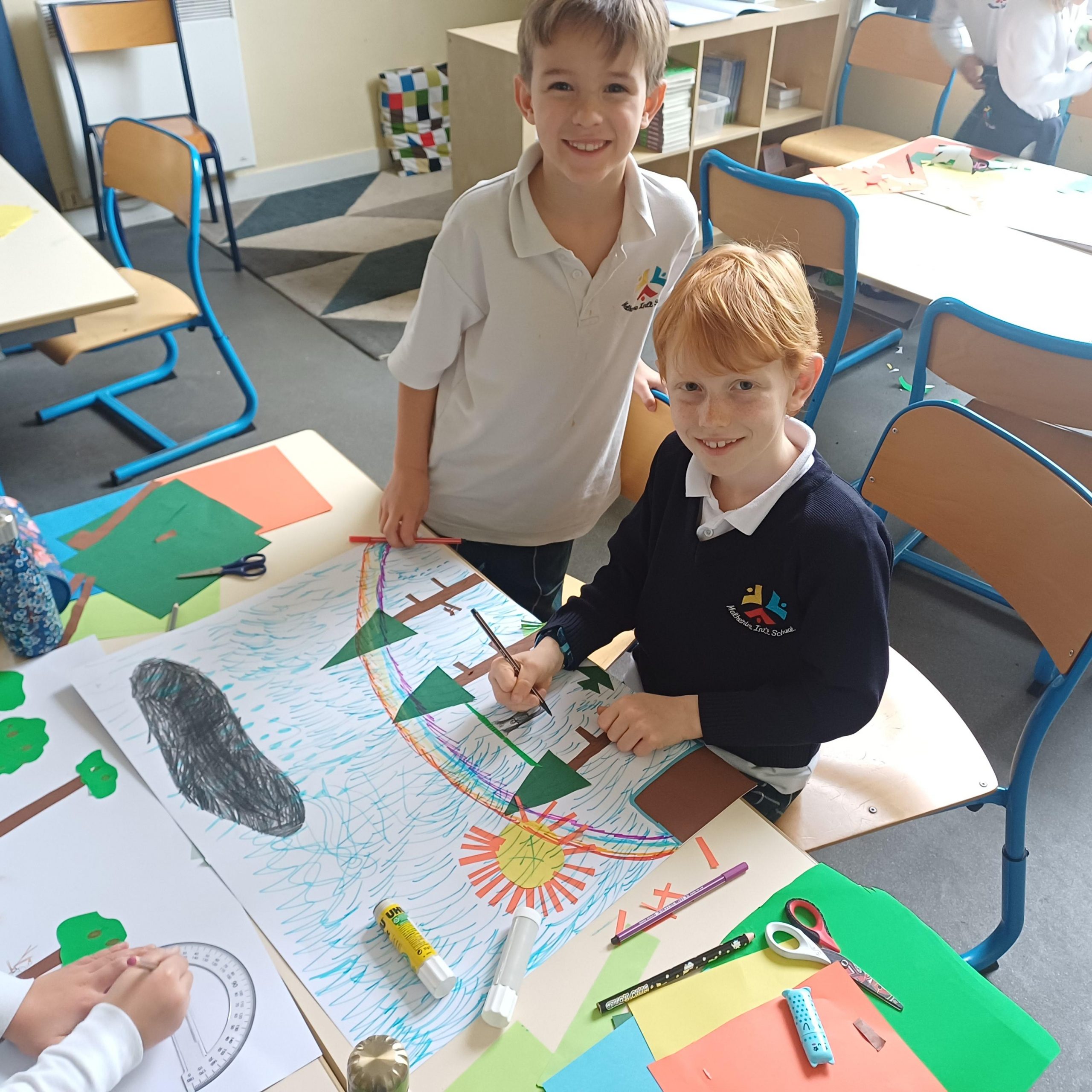
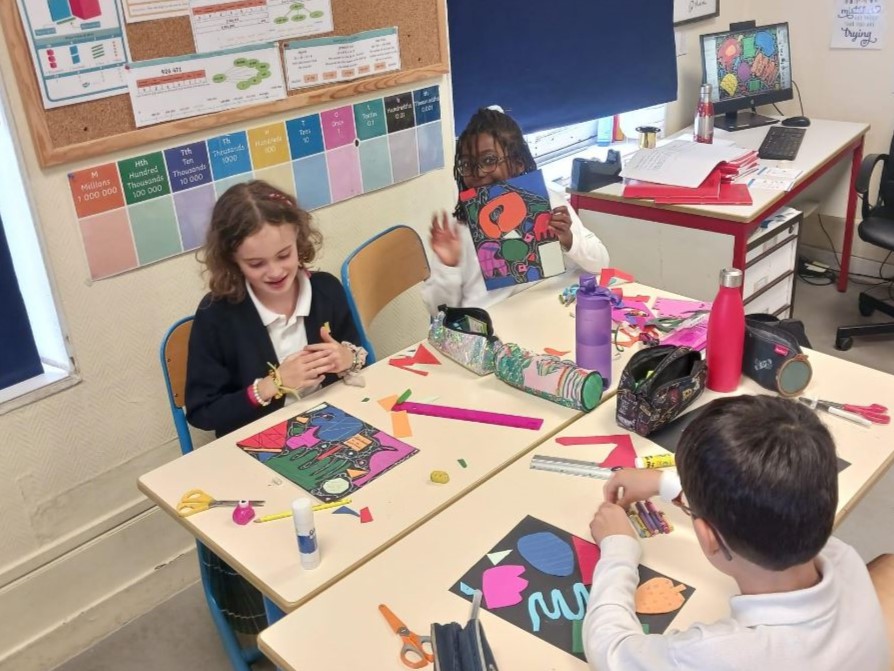
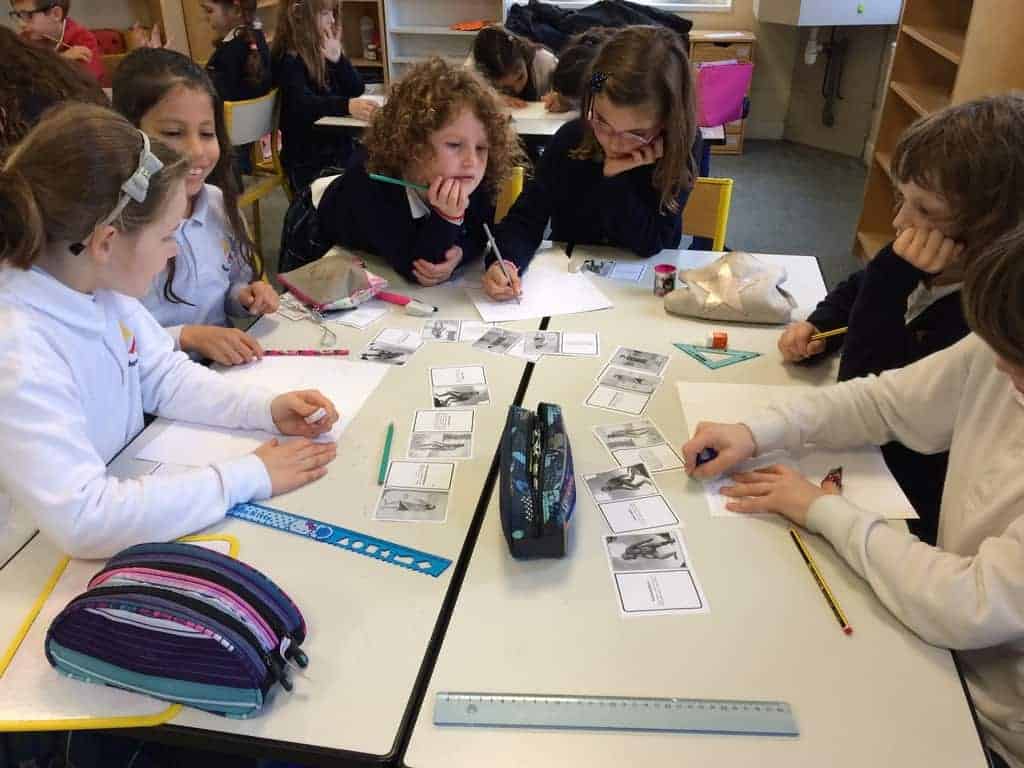
Much of the teaching taking place during the week is delivered around a central theme, allowing the children to build links between subjects and find meaning and pleasure in their learning experience. Learning is not only teacher led, but involves a large share of group work and partner work to prepare our pupils to build strong collaborative skills.